
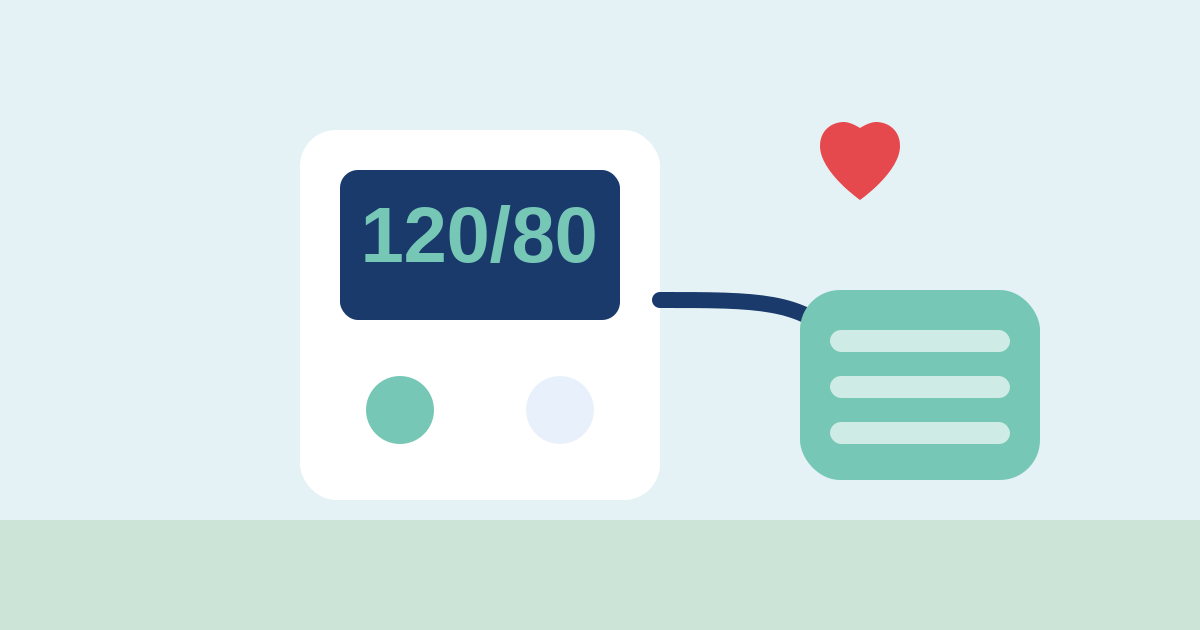
High BP usually has no symptoms. Your parent can feel perfectly well for years while it raises the risk of heart attack, stroke and kidney disease. That's why many people stop their tablets once they feel fine, and it's one of the worst things they can do. Regular readings and steady medicines make a big difference.
How to measure BP at home
- Use a validated upper-arm digital monitor. Wrist and finger devices tend to be less reliable.
- Sit quietly for 5 minutes first, with back supported, feet flat and arm at heart level. No tea, coffee or smoking for 30 minutes before.
- Take two readings a minute apart, around the same time each day.
- Write them in a notebook, or post a photo in the family WhatsApp group.
- Take that record to each doctor's visit. It shows the doctor far more than one reading at the clinic.
Where the salt comes from
Health guidelines generally suggest under about 5 grams of salt a day, which is roughly a teaspoon. It's easy to go over without adding any at the table, because salt is in pickles, papad, chutney powder, namkeen, sambar powder and bakery items.
Cut back slowly so the food still tastes good, and use lemon, pepper, curry leaves and spices for flavour. Keeping the pickle jar off the dining table helps too.
Other habits that help
- Take the BP tablet at the same time every day. If readings look good, that usually means the tablet is working. Don't stop it or cut the dose unless the doctor says so.
- Walk daily or do gentle yoga, if the doctor is happy with that.
- Eat more fruit and vegetables. Check first before adding potassium-rich foods like banana or coconut water if your parent has a kidney problem.
- Keep weight in a healthy range, avoid tobacco, and limit alcohol.
- Mention poor sleep or snoring to the doctor. Both can affect BP.
When to call the doctor, and when to go to hospital
Call the doctor the same day if readings stay well above the target they've set, or if your parent feels dizzy on standing, since medicines can sometimes push BP too low.
Call 108 or go to the emergency room if a high reading comes with a severe headache, chest pain, breathlessness, confusion, changes in vision, or weakness on one side of the body.
If you're worried your parent is missing tablets, ElderLink's medicine management visits in RR Nagar, Vijayanagar, Banashankari and Kanakapura Road can help. A caretaker checks medicines against the prescription and tells you if something looks off. For anything about targets or doses, your parent's doctor is the right person to ask.